If you spend even a few minutes online, you’ve probably seen people type LOL and LMAO everywhere. From funny memes and TikTok comments to WhatsApp chats and gaming conversations, these internet slang terms have become part of modern digital language.
But here’s the thing: although both expressions are used to show laughter, they don’t mean exactly the same thing. Many people use them interchangeably without realizing that each one carries a different tone, level of humor, and emotional impact.
So, when should you use LOL, and when is LMAO the better choice?
In this guide from Meme ke Matlab, we’ll break down the meaning, history, cultural significance, and real-life usage of these popular internet acronyms. Whether you’re texting friends, creating memes, or trying to understand Gen Z internet culture, this comparison will help you use both terms naturally and confidently.
The Core Evolution of LOL and LMAO
The internet changed how humans communicate. As texting and online chatting became more popular in the late 1990s and early 2000s, people started creating shortcuts to express emotions quickly.
That’s where LOL and LMAO entered the picture.
What Does LOL Mean?
LOL stands for “Laughing Out Loud.”
Originally, it was used to show genuine laughter during online chats. Over time, however, LOL evolved into something more flexible. Today, people often use it casually to soften conversations, react politely, or make messages feel friendly.
Example:
- “That meme was funny lol”
- “I can’t believe you did that LOL”
In many cases, LOL no longer means someone is literally laughing loudly.
What Does LMAO Mean?
LMAO stands for “Laughing My Ass Off.”
This phrase expresses much stronger laughter and excitement. It usually appears when something is genuinely hilarious or unexpectedly funny.
Example:
- “That video had me crying LMAO”
- “Your joke was wild lmaooo”
Unlike LOL, LMAO still carries stronger emotional energy in most online conversations.
LOL vs LMAO: The Main Difference
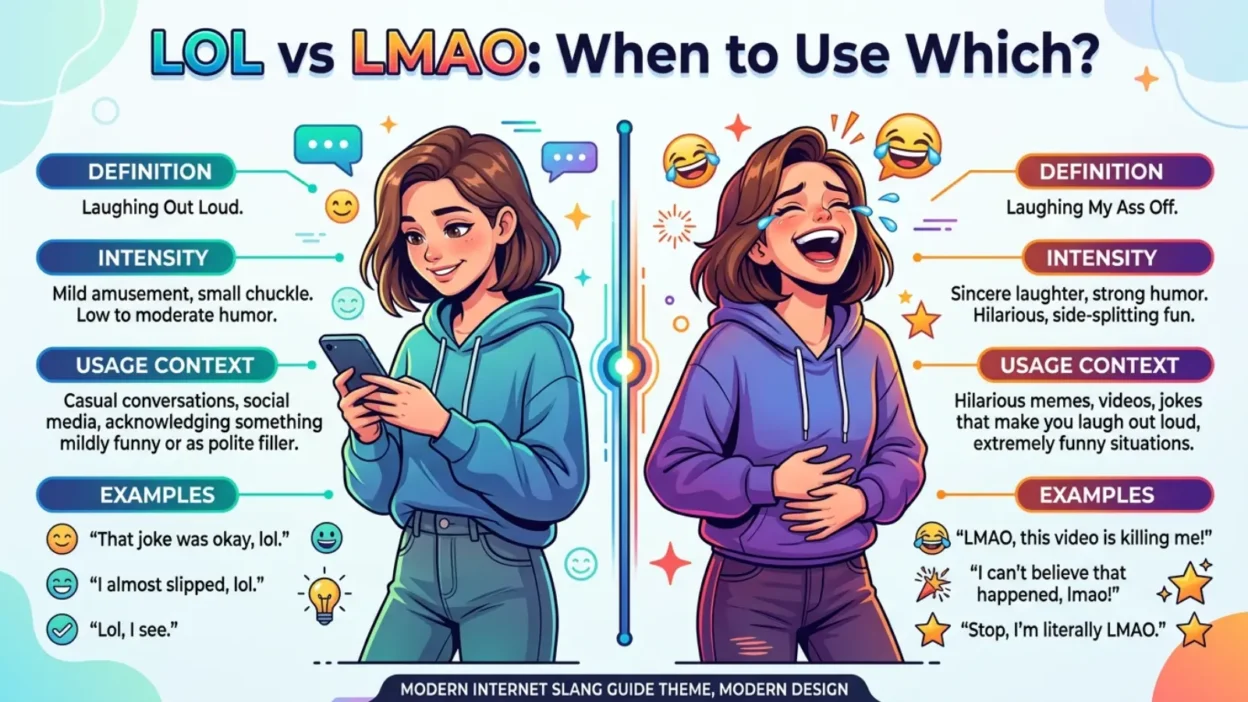
The biggest difference between LOL and LMAO is intensity.
| Feature | LOL | LMAO |
|---|---|---|
| Full Form | Laughing Out Loud | Laughing My Ass Off |
| Humor Level | Mild to moderate | Strong laughter |
| Tone | Friendly and casual | Energetic and dramatic |
| Formality | More socially acceptable | More informal |
| Common Audience | All age groups | Mostly younger users |
| Usage Style | Everyday texting | Meme culture and reactions |
| Emotional Impact | Light amusement | Intense amusement |
This comparison matters because internet slang often communicates tone more than actual words.
1. When to Use LOL
LOL works best in casual, everyday conversations.
It’s commonly used when:
- Something is slightly funny
- You want to sound friendly
- You’re softening a message
- You don’t want the conversation to feel serious
Examples:
- “That’s actually funny LOL”
- “I forgot my keys again lol”
- “You scared me for no reason LOL”
Many people even use LOL automatically at the end of sentences to make texts feel warmer and less awkward.
Why LOL Feels Safer
LOL is considered more neutral and socially acceptable because it doesn’t contain profanity. That makes it appropriate for:
- Workplace chats
- Family group texts
- School conversations
- Professional social media comments
It’s basically the “universal laughter word” of the internet.
2. When to Use LMAO
LMAO should be used when something is genuinely hilarious.
It creates a stronger emotional reaction and often makes conversations feel more animated.
Examples:
- “I’m crying lmaooo”
- “Bro fell into the pool LMAO”
Because it contains mild profanity, LMAO feels more expressive and dramatic than LOL.
Best Situations for LMAO
Use LMAO when:
- A joke is extremely funny
- You’re reacting to memes
- You’re chatting casually with close friends
- You want to sound expressive online
It’s especially common on platforms like TikTok, X, Instagram, Reddit, and Discord.
3. LOL vs LMAO in Social Media Culture
Social media has changed the meaning of internet slang dramatically.
Years ago, LOL represented real laughter. Today, many users type LOL almost automatically without actually laughing.
Meanwhile, LMAO has become the stronger reaction word.
Platform Trends
LOL Is Common On:
- Messenger
- Workplace chats
LMAO Is Common On:
- TikTok
- X (Twitter)
- Gaming communities
Younger audiences often prefer stronger expressions like:
- “LMAOOO”
- “IM DEAD”
- “CRYING”
- “HELP”
These phrases create exaggerated humor that fits meme culture perfectly.
4. Which Term Sounds More Genuine?
Interestingly, many internet users believe LMAO sounds more authentic than LOL.
Why?
Because LOL has become overused.
People frequently type LOL even when they aren’t laughing at all. In some cases, it simply acts as a conversation filler.
Example:
- “Okay lol”
- “Sure LOL”
LMAO, on the other hand, usually suggests real amusement or emotional reaction.
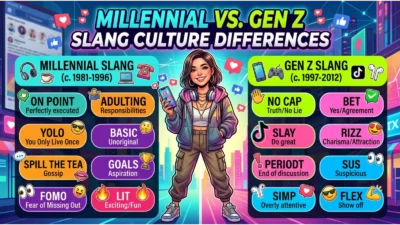
That’s why many Gen Z users feel LOL sounds less emotional compared to LMAO.
5. The Generational Difference Between LOL and LMAO
Different age groups use these terms differently.
Millennials and Older Users
Older internet users often prefer:
- LOL
- Haha
- ROFL
These terms became popular during early internet chatroom culture.
Gen Z and Younger Users
Younger users prefer:
- LMAO
- LMFAO
- Crying emojis
- “I’m dead”
Gen Z internet humor is usually more exaggerated and chaotic, so stronger reactions feel more natural.
This generational shift explains why LOL can sometimes sound outdated to younger audiences.
6. LOL vs LMAO in Professional Conversations
One major difference between these terms is professionalism.
LOL in Professional Settings
LOL is often acceptable in:
- Friendly work chats
- Casual emails
- Team conversations
Example:
- “That meeting was longer than expected LOL”
LMAO in Professional Settings
LMAO is usually considered too informal because it includes profanity.
Avoid using it in:
- Business emails
- Academic communication
- Workplace discussions with managers
Even in casual offices, LOL is generally the safer option.
7. Emotional Tone and Internet Personality
The slang you use online shapes how people perceive your personality.
People Who Use LOL Often Sound:
- Friendly
- Relaxed
- Casual
- Approachable
People Who Use LMAO Often Sound:
- Energetic
- Dramatic
- Meme-savvy
- Emotionally expressive
This subtle difference matters more than many people realize.
Modern internet communication relies heavily on tone indicators because text lacks facial expressions and body language.
8. Meme Culture and Viral Humor
Meme culture helped make LMAO massively popular.
Memes often aim for exaggerated emotional reactions, and LMAO fits perfectly into that style.
Examples:
- “This meme has me weak LMAO”
- “WHY IS THIS SO FUNNY LMAOOO”
Extra letters like:
- “lmaoooo”
- “LOLLLL”
- “LMFAOOOO”
are used to intensify reactions even more.
This playful exaggeration has become a huge part of online humor culture.
9. Which One Should You Use More Often?
There’s no single correct answer.
The best choice depends on:
- Your audience
- The platform
- The humor level
- The tone you want
Use LOL If:
- The joke is mildly funny
- You want to sound polite
- The conversation is semi-professional
- You’re talking with family or coworkers
Use LMAO If:
- Something is genuinely hilarious
- You’re reacting emotionally
- You’re chatting casually with friends
- You want stronger internet humor energy
Understanding context is the key to using internet slang naturally.
10. Will LOL and LMAO Stay Popular?
Internet slang changes constantly, but LOL and LMAO have survived for decades.
That’s impressive in the fast-moving world of online language.
Even though newer phrases continue to appear, these two acronyms remain deeply embedded in digital communication.
Why?
Because they’re:
- Easy to type
- Universally understood
- Emotionally expressive
- Perfect for fast conversations
While trends evolve, LOL and LMAO will likely remain part of internet culture for many years.
FAQs About LOL vs LMAO
Is LMAO stronger than LOL?
Yes. LMAO usually expresses much stronger laughter and emotional reaction than LOL.
Is LOL outdated now?
Not completely. Some younger users think LOL feels less expressive, but it’s still widely used across all age groups.
Can I use LMAO in professional conversations?
It’s generally better to avoid LMAO in professional settings because it contains mild profanity.
Why do people type “lmaoooo” with extra letters?
Extra letters exaggerate emotion and make the laughter seem more intense.
Which is more popular: LOL or LMAO?
LOL is still more universally recognized, but LMAO has become extremely popular in meme culture and among younger users.
Conclusion
The debate between LOL vs LMAO isn’t really about which term is better — it’s about choosing the right tone for the right moment.
LOL is light, friendly, and versatile. It works almost everywhere and keeps conversations casual and approachable.
LMAO, on the other hand, delivers stronger emotional energy. It feels more dramatic, expressive, and connected to modern meme culture.
Understanding these small differences helps you communicate more naturally online and better understand today’s internet language trends.